


Top Benefits of Energy-Efficient Roofs

When it comes to protecting your home, the roof is one of the most important elements. It shields you from harsh weather, keeps your family safe, and plays a big role in your home's energy use. Choosing the right roofing option can make a significant difference in comfort, costs, and durability. Over the years, I have learned that investing in energy saving roofing options is a smart move for any homeowner. Let me share why these roofs are worth considering and how they can benefit your home in many ways.
Why Energy Saving Roofing Options Matter
Energy saving roofing options are designed to reduce the amount of energy your home uses for heating and cooling. This means your HVAC system doesn’t have to work as hard, which lowers your energy bills. But the benefits go beyond just saving money.
For example, these roofs often reflect more sunlight and absorb less heat. This keeps your home cooler during hot summer months. In colder seasons, they help retain warmth inside. This balance creates a more comfortable living environment year-round.
Another important factor is durability. Many energy saving roofing materials are built to last longer and withstand extreme weather conditions. This is especially valuable if you live near coastal areas or places prone to storms. A strong roof means fewer repairs and less worry about damage.
Finally, some energy saving roofing options can even help reduce your insurance premiums. Insurance companies recognize the value of durable, weather-resistant roofs and may offer discounts. This adds another layer of savings and peace of mind.
Exploring Popular Energy Saving Roofing Options
There are several types of energy saving roofing options available today. Each has unique features and benefits. Here are some of the most popular choices:
Metal Roofing
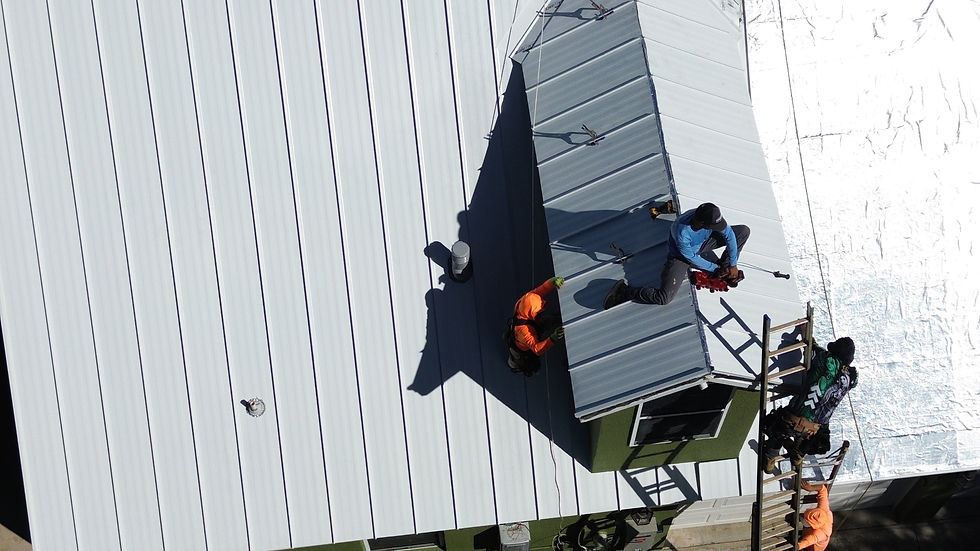
Metal roofs are highly reflective and excellent at shedding heat. They are also incredibly durable, resisting wind, rain, and hail. Many metal roofs come with coatings that boost their energy efficiency even more. Plus, they often last 40-70 years, making them a long-term investment.
Cool Roofs
Cool roofs use special materials or coatings that reflect more sunlight and absorb less heat. They can be made from various materials, including tiles, shingles, or membranes. These roofs help reduce cooling costs and improve indoor comfort.
Clay and Concrete Tiles
These tiles have natural thermal properties that help regulate temperature. They are heavy but very durable and can last for decades. Their ability to keep homes cooler in summer makes them a good energy saving option. Concrete tile will retain heat longer, causing an increased demand on your AC at night as the roof dissipates heat.
Solar Roofs
Solar roofing integrates photovoltaic panels directly into the roof structure. This option not only saves energy by reducing heat absorption but also generates electricity. It’s a great choice for homeowners looking to go green and cut utility bills.
Green Roofs
Green roofs are covered with vegetation, which provides natural insulation and cooling. They reduce heat absorption and improve air quality. While less common, they offer unique environmental benefits.
Choosing the right option depends on your climate, budget, and home style. Consulting with a roofing professional can help you find the best fit.
How Energy Saving Roofing Options Protect Your Investment
A roof is more than just a cover; it’s an investment in your home’s future. Energy saving roofing options protect this investment in several ways:
Enhanced Durability: Many energy saving roofs are made from materials that resist damage from wind, hail, and salt air. This is crucial for homes near the coast or in storm-prone areas.
Lower Maintenance Costs: Durable roofs require fewer repairs and less upkeep. This saves you time, money, and stress over the years.
Increased Home Value: Energy efficient and durable roofs are attractive to buyers. They add value to your property and can make it easier to sell.
Insurance Benefits: Some insurance companies offer discounts for homes with strong, energy saving roofs. This can reduce your annual premiums.
By choosing a roof that lasts longer and performs better, you protect your home and your wallet.

Practical Tips for Choosing and Maintaining Your Roof
Selecting the right energy saving roofing option is just the first step. Proper maintenance ensures your roof continues to perform well for years. Here are some practical tips:
Research Materials: Look for roofing materials with high solar reflectance and thermal emittance ratings. These indicate better energy performance.
Check Local Climate Needs: Consider your region’s weather patterns. For example, metal roofs are excellent for coastal areas due to their resistance to salt and wind.
Hire Experienced Installers: Proper installation is key to maximizing energy savings and durability. Choose contractors with proven expertise.
Regular Inspections: Schedule roof inspections at least once a year and after major storms. Early detection of issues prevents costly repairs.
Clean Gutters and Roof Surface: Keep gutters clear and remove debris from the roof to avoid water damage and maintain efficiency.
Consider Additional Insulation: Pair your roof with good attic insulation to boost overall energy savings.
By following these steps, you can enjoy the full benefits of your energy saving roofing option.
The Long-Term Impact on Your Home and Lifestyle
Investing in energy saving roofing options is about more than just immediate savings. It’s a decision that affects your home’s comfort, safety, and value for decades.
Comfort: A well-chosen roof keeps your home cooler in summer and warmer in winter. This means fewer temperature swings and a more pleasant living space.
Savings: Lower energy bills add up over time. You’ll see the difference in your monthly expenses and overall budget.
Peace of Mind: Knowing your roof can withstand storms and harsh weather reduces worry. This is especially important for vacation homes or coastal properties.
Environmental Impact: Using energy efficient roofs reduces your carbon footprint. It’s a small but meaningful way to contribute to a healthier planet.
If you want to learn more about how these roofs perform and protect your home, I recommend checking out energy efficient roofs. They offer detailed information and solutions tailored to homeowners like you.
Making the Switch to a Smarter Roof
Switching to an energy saving roofing option is a smart choice that pays off in many ways. It protects your home, lowers costs, and adds value. Whether you’re building a new home or upgrading an existing roof, consider the benefits carefully.
Remember, the right roof is an investment in your family’s safety and comfort. It’s also a step toward a more sustainable future. Take your time, do your research, and work with trusted professionals to find the best solution for your needs.
Your home deserves the best protection possible. An energy saving roof can provide that and more, giving you confidence and peace of mind for years to come.


Comments